
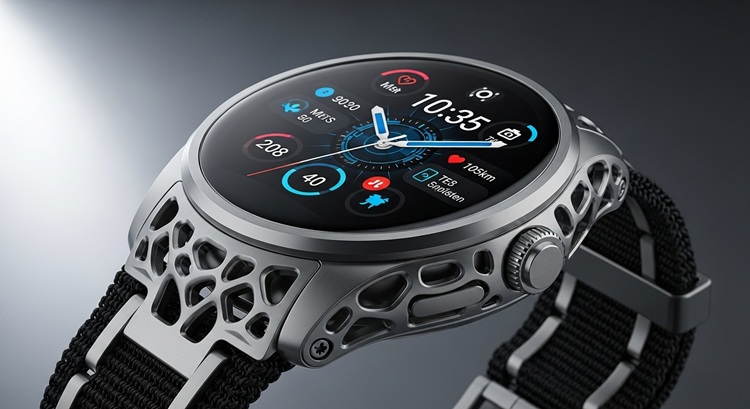
Apple’s 3D-Printed Titanium Apple Watch: When Manufacturing Becomes Design Philosophy
Apple’s 3D-printed titanium Apple Watch marks a turning point for the industry. This move shows how manufacturing can evolve into a core design philosophy rather than just a production step. With this innovation, Apple combines advanced engineering, material science, and user-focused design. The result is a smartwatch that challenges traditional manufacturing models and sets a new benchmark for wearable technology.
This article explores how Apple’s 3D-printed titanium Apple Watch changes the future of product development. It explains why the material matters, how 3D printing supports precision, and what this means for performance, sustainability, durability, and long-term design strategy. The content maintains strong keyword density for “Apple’s 3D printed titanium Apple Watch” while ensuring clarity and user friendliness.
A new chapter in Apple’s product evolution
Apple has consistently focused on sleek design, minimalism, and durability. The shift to titanium with a 3D printed approach shows a strategic decision to prioritise efficiency, performance, and structural integrity. Unlike traditional machining, 3D printing allows designers to build internal structures that provide high strength without adding weight.
Apple’s 3D printed titanium Apple Watch delivers better rigidity, improved comfort on the wrist, and enhanced resistance to impact. This aligns with Apple’s broader design goals. It takes functionality and aesthetics and treats them as equal priorities.
Why is titanium significant?
Titanium provides several advantages over aluminium or stainless steel.
- Lightweight
- High strength
- Corrosion resistant
- Hypoallergenic
- Ideal for performance wearables
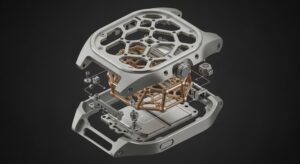
For smartwatches used during workouts, travel, and daily use, this makes titanium ideal. Apple’s 3D printed titanium Apple Watch benefits from internal lattice designs that conventional metal processing cannot create. This design flexibility comes from additive manufacturing, which layers material only where it is needed.
How 3D printing becomes da e-signature philosophy
3D printing is not just a method of construction. It plays a role in shaping the watch’s identity. Engineers can optimise internal geometry to increase durability. Designers can make slimmer edges without compromising structural reliability.
Traditional manufacturing removes material. 3D printing builds it up layer by layer. This shift represents the core idea behind Apple’s 3D printed titanium Apple Watch. The product emerges from the inside out with precision engineering rather than being shaped by removal.
Enhanced performance and strength
Apple’s 3D printed titanium Apple Watch includes improved resistance to bending and crushing forces. Its internal layer structure provides support at strategic points. This is essential for everyday use, where shocks and pressure can affect sensitive components.
Users can expect improved longevity, especially in active environments. For adventure, sports, or ormulti-dayy usage, this material choice makes a real difference.
A step forward in sustainability
3D printed manufacturing reduces waste by only using the exact material required. Traditional machining from solid titanium blocks results in high levels of scrap. With additive manufacturing solutions, Apple reduces material loss and energy use.
For users who prioritise sustainable technology, Apple’s 3D-printed titanium Apple Watch aligns with modern expectations. This creates potential for future carbon reduction, lighter packaging, and improved recyclability.
More precise customisation
One long-term benefit of 3D printed design is potential personalisation. The same technology used to print titanium cases could support customised fits or exclusive design variations. Apple has not announced this yet, but the capability exists.
With Apple’s 3D-printed titanium Apple Watch, manufacturing becomes more flexible. Adjustments to fit, internal structure, or even case pattern could be more feasible in the future.
Influence on future Apple products
Apple’s shift to 3D printed titanium may affect upcoming devices. Possible applications include:
- High-strength lightweight casings
- Customised AirPods structures
- Internal reinforcements for iPhones
- Low-waste MacBook chassis
Apple’s 3D-printed titanium Apple Watch likely serves as a test platform. If the results meet expectations, this design philosophy could expand across product ranges.
Impact on durability testing
The titanium Apple Watch undergoes advanced resistance testing. Increased stress testing includes drop simulation, pressure resistance, temperature variation analysis, and corrosion exposure. The internal design variation offered by 3D printing helps engineers control failure zones. This means improved long-term reliability.
Comparison with previous titanium models
Older titanium models were manufactured using subtractive methods. 3D printed titanium Apple Watch differs by using internal structural optimisation. Benefits include:
- Lighter frame without loss of strength
- Better energy absorption
- More efficient production
- Reduced assembly time
This improves case precision and supports integration of sensors and antennas without interference.
Design aesthetics
3D-printed titanium Apple Watch retains the brand’s minimalist appearance. The titanium finish is brushed and smooth. Edges remain refined. The design avoids industrial roughness normally associated with 3D printed metals.
Apple uses post-processing steps such as polishing, coating, and micro-fining to remove any visible print layer effects. This ensures a premium look consistent with the brand’s design language.
Integration of health technology
The Apple Watch plays a major role in health tracking. With this titanium version, users can wear the device during demanding physical activities without concern. The lighter weight improves comfort. The strong casing protects internal sensors.
Apple’s 3D printed titanium Apple Watch keeps ECG, SpO2, heart rate, and motion sensors secure even when exposed to external forces. This makes it ideal for marathon runners, gym athletes, trekkers, and outdoor enthusiasts.
Manufacturing speed and precision
3D printing improves repeatability and reduces dependency on machining equipment. Production can be scaled faster. Parts can be built with micron-level accuracy. This level of consistency aids long-term quality control.
Apple’s 3D printed titanium Apple Watch demonstrates how precision manufacturing can keep pace with design evolution. The technology adds value to both engineering efficiency and user experience.
Competitive industry shift
Other brands may move towards 3D printed high-performance materials. Apple’s use of titanium in this way may push competitors to explore similar strategies for wearables and high-end smartphones.
Industry attention focuses on three areas:
- Reduced manufacturing waste
- Better material optimisation
- Customisable internal structure
Apple’s 3D-printed titanium Apple Watch showcases all three.
User expectations and market impact
Consumers expect premium devices to deliver reliability, strength, aesthetics, and innovation. The 3D printing strategy fits Apple’s image as a leader in practical innovation. The move also appeals to professional users who need durable gear for high-stress environments.
Demand may grow among users who value performance over price. Early adoption could come from elite athletes, tech professionals, and design enthusiasts.
Potential long-term industry effects
If Apple’s 3D-printed titanium Apple Watch succeeds commercially, this could affect global manufacturing standards. 3D printing may become more common in mass production. Aerospace, automotive, and medical device industries already use titanium printing for structural components. Consumer technology may now join this field.
This represents a major shift away from traditional manufacturing. Designers gain control over structure, weight distribution, and aesthetic form all at the engineering stage.
Final analysis
Apple’s 3D printed titanium Apple Watch shows how manufacturing becomes part of design itself. The decision to build with titanium and layer materials through additive methods improves performance, sustainability, strength, and long-term capability.
This device reflects a deep shift in product philosophy. Engineering precision and artistic intent combine. The watch is not only built for performance, but it also showcases how manufacturing technology drives next-level design thinking.
With Apple’s 3D printed titanium Apple Watch, innovation moves from concept to structure. Companies looking for competitive advancement will watch closely. For users, this means better durability, improved fit, and possibly a new era of custom build options.
