
Web development defines how the modern internet functions. Every site you visit, from social media to online stores, runs on web development. In 2025, it will continue to evolve fast. Businesses rely on responsive, secure, and optimized websites to reach customers. Individuals see it as a strong career path.
Web development covers everything from building static pages to advanced web apps. It connects design, technology, and user experience. The growing use of AI, no-code tools, and cloud platforms has changed how developers work.
Whether you are learning to code or planning to hire a team, understanding web development is essential for success online.
What Is Web Development?
Web development means creating and maintaining websites. It involves writing code, designing layouts, and ensuring functionality.
It differs from web design. Design focuses on how a site looks. Development focuses on how it works.
Web development has three main parts:
- Front-end development: what users see and interact with. It uses HTML, CSS, and JavaScript.
- Back-end development: the server-side that handles data and logic. It uses languages like Python, PHP, Ruby, and Node.js.
- Full-stack development: combines both. Full-stack developers manage entire projects from front to back.
Every website functions on a client-server model. The browser (client) requests information, and the server responds. Understanding this flow is the foundation of every developer’s work.
Key Components of Web Development
To build an effective site, you need a mix of tools and skills.
Front-end technologies
HTML structures the content. CSS controls style. JavaScript adds interactivity. Modern frameworks like React, Angular, and Vue make front-end development faster and smoother.
Back-end technologies
The back end handles everything behind the scenes. Common languages include Python, PHP, Java, and Node.js. Frameworks like Django, Laravel, and Express help developers build strong, scalable applications.
Databases
Data storage is vital. MySQL, MongoDB, and PostgreSQL are widely used. Choosing the right one depends on performance needs.
APIs and integrations
Web applications often connect with third-party services. APIs allow communication between systems. For example, payment gateways, maps, or authentication services.
Content management systems (CMS)
Tools like WordPress, Drupal, and headless CMS options let users manage content without coding. They play a major role in business sites and blogs.
These components create the full ecosystem behind every website.

Modern Trends in Web Development
Technology never stands still. The latest web development trends shape how users experience the web.
- AI-assisted coding speeds up the workflow by suggesting code and detecting errors. Tools like GitHub Copilot make this possible.
- No-code and low-code platforms such as Webflow and Bubble allow people without programming backgrounds to build functional sites.
- Headless CMS and serverless architecture improve flexibility, performance, and scalability.
- WebAssembly and edge computing boost performance by bringing processing closer to the user.
- Accessibility and sustainability are now key. Developers focus on inclusive design and low-energy websites to reduce digital waste.
Businesses adopting these modern practices gain faster, safer, and more efficient websites.
Web Development Process (Step-by-Step)
Every website follows a process that ensures quality and alignment with goals.
- Planning and requirements gathering
Define the purpose, target audience, and functionality. Conduct a needs analysis to set priorities. - UI/UX design and wireframing
Designers create a layout that balances beauty and usability. Tools like Figma and Adobe XD help visualize structure. - Front-end and back-end development
Developers write code to bring designs to life. They connect the front end with the back end to make everything work together. - Testing and quality assurance
Testing ensures speed, compatibility, and security. QA teams run automated and manual tests to find bugs before launch. - Deployment and maintenance
Once approved, the site goes live. Developers then monitor performance, update frameworks, and fix issues regularly.
A clear process helps avoid costly mistakes and keeps the project on schedule.
Essential Web Developer Skills
Success in web development requires more than just coding.
Technical skills
Master HTML, CSS, and JavaScript. Learn frameworks like React or Django. Use version control tools like Git and GitHub.
Problem-solving
Developers often face complex challenges. The ability to debug and optimize code quickly matters.
SEO knowledge
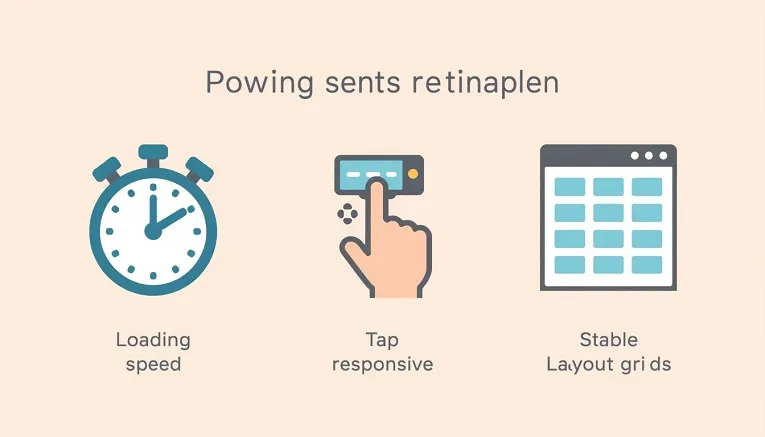
Websites should load fast and rank well. Understanding Core Web Vitals, metadata, and responsive layouts helps with this.
Collaboration
Developers work with designers, marketers, and clients. Communication ensures everyone stays aligned.
Continuous learning
Technology changes quickly. Staying updated with trends such as AI in web development or web3 technologies keeps skills relevant.
These skills make developers valuable and adaptable to the changing web environment.
Website Security and Performance
Users expect safe and fast websites. Security and performance directly affect trust and engagement.
Security essentials
Use HTTPS and SSL certificates to protect data. Prevent attacks like cross-site scripting, SQL injection, and CSRF. Keep software and dependencies updated.
Performance optimization
A slow website loses users. Minimize images, enable caching, and use Content Delivery Networks (CDNs). Monitor Core Web Vitals for smooth loading, our beginner’s guide breaks down exactly what each metric means and how to fix it.
Data protection
Follow privacy laws such as GDPR. Encrypt sensitive user data and use secure authentication systems. When you maintain strong security and performance, you protect users and build credibility.
Web Development for Business Growth
Web development drives revenue and reputation. Businesses that invest in strong web solutions stand out.
Custom vs template development
Templates are fast and cheap, but custom web development allows more flexibility and better SEO optimization. It matches branding and scalability needs.
Conversion-focused development
Good design and code improve user experience. Fast loading times and clear CTAs help turn visitors into buyers.
Case example
A local retailer that upgraded to a responsive, mobile-first website increased sales by 40 percent within months. This shows how technical improvements can directly impact business growth.
Web development is not just about code. It is a business tool that shapes how users view your brand.
Future of Web Development
The next decade will bring deeper integration between technologies.
AI code generation will automate repetitive coding tasks.
Integration with IoT will connect web platforms with smart devices.
AR and VR will make immersive web experiences common.
Progressive Web Apps (PWAs) will continue to blend app-like speed with web accessibility.
Automation will handle testing, deployment, and optimization more efficiently.
The future belongs to developers who combine creativity, data awareness, and adaptability.
Getting Started or Hiring a Web Developer
For beginners:
- Learn HTML, CSS, and JavaScript.
- Build small projects.
- Explore frameworks.
- Practice version control with Git.
- Create a portfolio showcasing your work.
For businesses:
- Define project goals clearly.
- Check developer portfolios and references.
- Ask about the technologies used and support after launch.
- Prioritize developers who focus on both performance and security.
Whether you build your own skills or hire experts, focus on long-term website quality, not short-term savings.
Conclusion
Web development continues to power the digital world. It combines technology, creativity, and problem-solving to shape how people interact online.
In 2025, trends like AI, no-code platforms, and headless CMS redefine how websites are built. Strong development supports brand visibility, customer trust, and business growth.
Understanding web development helps you make better decisions, whether you are coding your first site or leading a large project. The future of the web belongs to those ready to adapt, learn, and build smarter.